
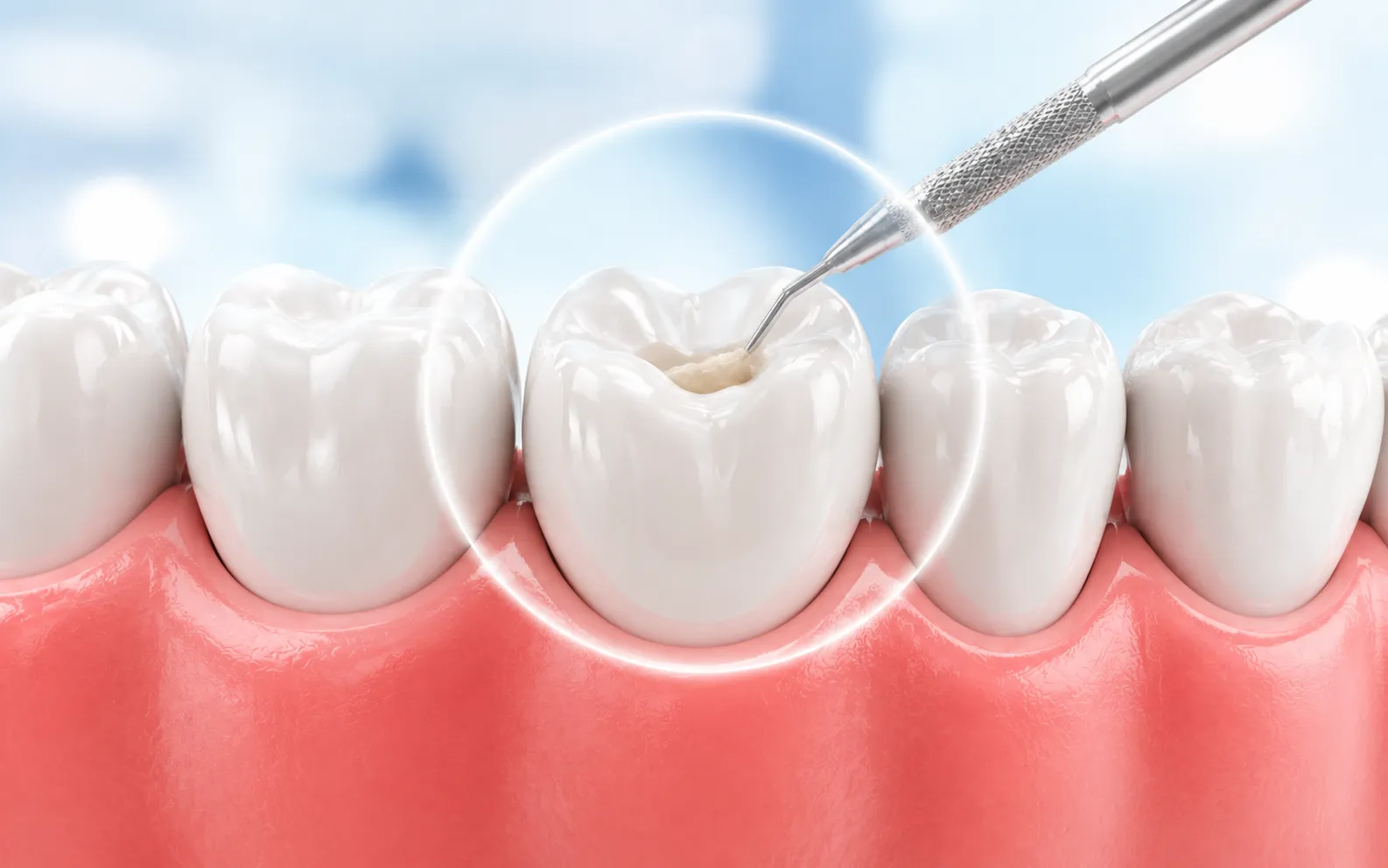
In modern dentistry, the guiding principle of conservative care is simple: preserve as much of your natural tooth structure as possible. Every time a tooth is treated, the goal is to remove only what is damaged or diseased — and restore the rest with the most minimal intervention needed.
This philosophy not only protects your teeth in the long run but also reduces treatment complexity, cost, and recovery time. Here is a complete look at the most common conservative dental procedures and why they matter.
What Are Conservative Dental Procedures?
Conservative dental procedures are minimally invasive treatments designed to restore the health, function, and appearance of damaged or decayed teeth while removing as little natural tooth structure as possible. They represent the middle ground between preventive care and more aggressive interventions like extractions or implants.
Common Conservative Dental Procedures
1. Composite Resin Fillings (Tooth-Coloured Fillings)
When a cavity forms, a filling restores the tooth by removing decay and filling the space with a durable material. Modern composite resin fillings are:
- Matched precisely to the natural colour of your tooth
- Mercury-free and biocompatible
- Bonded directly to the tooth, providing additional structural support
- Completed in a single appointment
They are far superior aesthetically to older silver amalgam fillings and are now the standard of care in most dental practices.
2. Inlays and Onlays
When a cavity is too large for a standard filling but the tooth does not require a full crown, an inlay or onlay is the ideal conservative solution.
- An inlay fits within the cusps of the tooth, like a precisely fitted puzzle piece
- An onlay covers one or more cusps when the damage is more extensive
- Both are fabricated in porcelain or gold for exceptional strength and aesthetics
- They preserve significantly more natural tooth structure than a full crown
3. Dental Crowns
A crown is used when a tooth is too damaged, cracked, or weakened to be restored with a filling or inlay alone. It encases the entire visible portion of the tooth, restoring its shape, strength, and appearance.
- Indicated for teeth after root canal treatment, large fractures, or severe decay
- Modern all-ceramic crowns are visually indistinguishable from natural teeth
- Protects the remaining tooth structure from further damage
4. Root Canal Treatment (Endodontics)
Root canal treatment is one of the most important conservative procedures in dentistry — it saves teeth that would otherwise need to be extracted. When infection reaches the inner pulp of the tooth (the nerve chamber), the infected tissue is removed, the canals are cleaned and sealed, and the tooth is restored.
- Modern root canal treatment is no more uncomfortable than a standard filling
- Saves the natural tooth, preserving bone and neighbouring teeth
- A crown is usually placed afterward for long-term protection
5. Dental Sealants
Sealants are thin coatings applied to the chewing surfaces of back teeth, filling the deep grooves where bacteria accumulate. They are particularly effective in children but are beneficial for adults at risk of decay as well.
6. Desensitising Treatments
For patients with sensitive teeth — caused by enamel erosion, gum recession, or exposed dentine — professional desensitising treatments can significantly reduce discomfort without any invasive procedures.
Why Saving Your Natural Tooth Is Always the Priority
- Natural teeth have a shock-absorbing root system that implants and dentures cannot fully replicate
- Losing a tooth triggers bone loss in the jaw, which affects facial structure over time
- Natural teeth are always stronger and more durable than any artificial replacement
- Conservative treatment is almost always more cost-effective than extraction and replacement
How to Minimize the Need for Dental Treatment
- Brush for two full minutes twice daily with a fluoride toothpaste
- Floss daily — especially where your toothbrush cannot reach
- Attend professional cleanings every six months
- Address small cavities early, before they require larger restorations
- Wear a mouthguard if you grind your teeth at night
📞 A small problem treated today is a big problem prevented tomorrow. Book your check-up and let us help you keep your natural smile for life.
