
The most expensive dental treatment is always the one that could have been prevented. A cavity caught at its earliest stage requires a simple filling. Left untreated, it may progress to a root canal, a crown, and ultimately an extraction followed by implant placement — a cascade of treatment that is dramatically more complex, more time-consuming, and more costly.
Preventive dentistry exists to break that cycle. By maintaining a regular schedule of professional care and excellent home habits, most people can avoid the majority of serious dental problems entirely.
The Pillars of Preventive Dental Care
1. Routine Dental Check-Ups
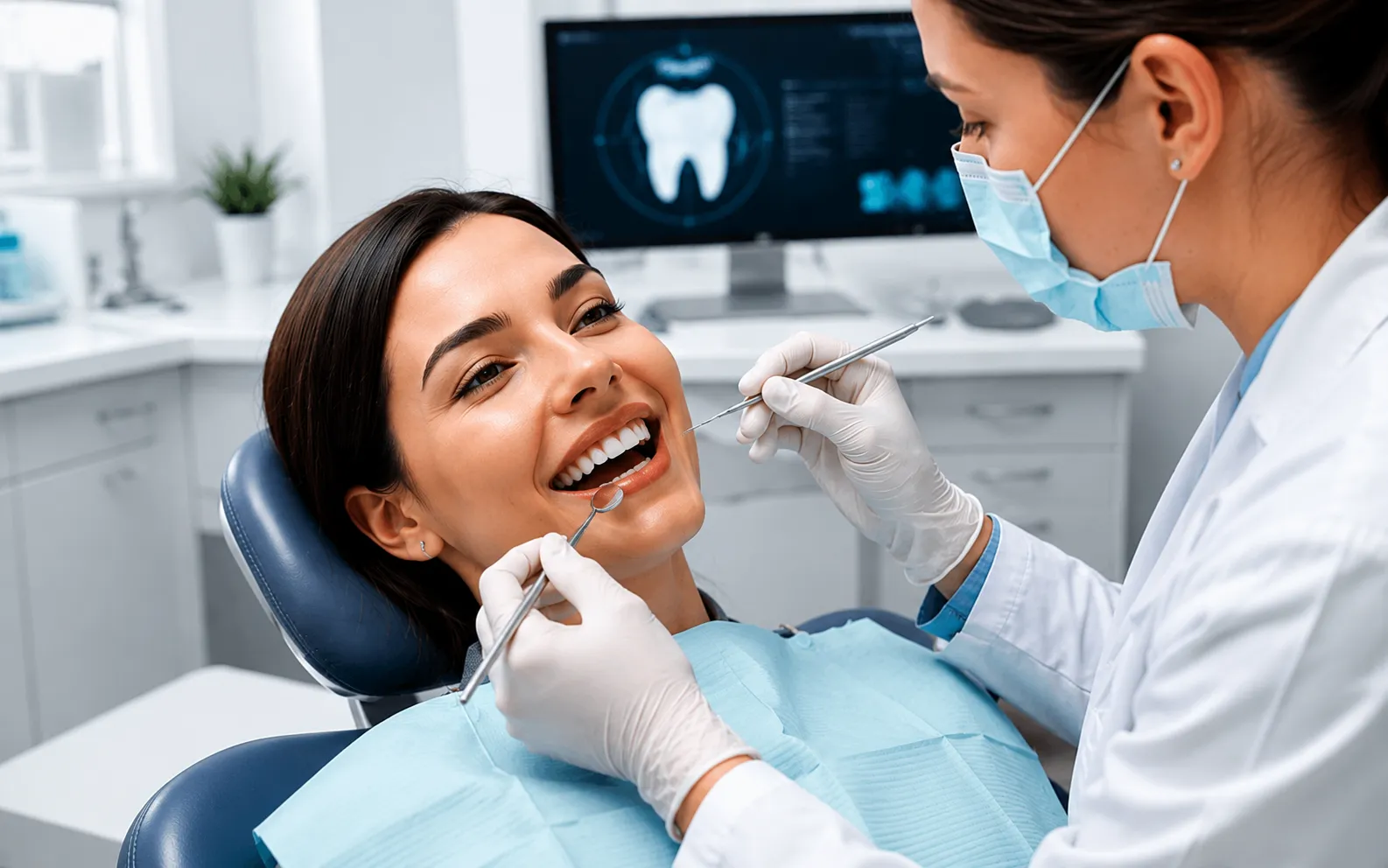
A comprehensive dental examination every six months is the cornerstone of preventive care. During a check-up, your dentist will:
- Examine every tooth for signs of decay, cracks, or wear
- Assess the health of your gums and measure pocket depths
- Check for signs of oral cancer — a potentially life-saving screen
- Review X-rays to identify problems invisible to the naked eye
- Assess existing restorations (fillings, crowns, bridges) for integrity
- Screen for signs of bruxism (tooth grinding) and TMJ disorders
Catching problems early is always the goal — and the bi-annual check-up is how it is done.
2. Professional Scaling and Polishing (Dental Cleaning)
Even with perfect brushing and flossing, tartar (calcified plaque) accumulates in areas that home care cannot reach — particularly below the gum line. A professional clean:
- Removes tartar that hardens on tooth surfaces over time
- Cleans below the gum line, where gum disease begins
- Polishes tooth surfaces to remove surface staining
- Leaves teeth feeling noticeably smoother and cleaner
- Significantly reduces the bacterial load in your mouth
This is not merely an aesthetic procedure — it is a critical intervention that directly prevents gum disease.
3. Fluoride Treatments
Professional fluoride application — typically as a varnish or gel — deposits a highly concentrated form of fluoride onto the tooth surfaces, dramatically strengthening enamel and making it more resistant to acid attack from bacteria.
- Particularly recommended for children, elderly patients, and those at higher cavity risk
- Takes less than a minute to apply
- Works as a complement to fluoride toothpaste at home
4. Fissure Sealants
The grooves and pits on the biting surfaces of back teeth are breeding grounds for decay. A sealant fills and seals these grooves with a thin protective coating, reducing decay risk in these vulnerable areas by up to 80%.
5. Dental X-Rays
Radiographs allow your dentist to see between teeth, below the gum line, and within the jawbone — areas that are completely hidden during a visual examination. They are essential for detecting:
- Cavities forming between teeth
- Bone loss from gum disease
- Infections or abscesses
- Impacted teeth and developmental abnormalities
- Early signs of certain jaw conditions
6. Mouthguards
Custom-fitted mouthguards protect teeth from sports injuries and the damaging effects of nighttime grinding (bruxism). They are far superior to over-the-counter options in both fit and protection level.
How Often Should You Visit the Dentist?
For most adults with good oral health, every six months is ideal. Patients with a higher risk of gum disease, decay, or other conditions may be recommended more frequent visits — every 3 to 4 months. Your dentist will advise based on your individual risk profile.
Preventive Care at Home: The Daily Non-Negotiables
- Brush for at least two minutes, twice daily, with a fluoride toothpaste
- Floss every day — brushing alone misses 40% of tooth surfaces
- Use an antibacterial mouthwash if recommended by your dentist
- Drink fluoridated water where available
- Maintain a diet low in free sugars and acidic beverages
- Replace your toothbrush every three months, or sooner if bristles fray
📞 Prevention costs far less than treatment. Book your check-up and clean today and take the most important step toward a lifetime of healthy teeth.
